How Nigerian Street Music Continues to Shape Popular Culture
Nigerian street music has shaped generations of popular culture, introducing distinctive rhythms, dance movements, slang and musical identities. Discover how artists from Daddy Showkey and Olamide to Asake and Seyi Vibez have contributed to the continuing evolution of Nigeria's street-pop movement.

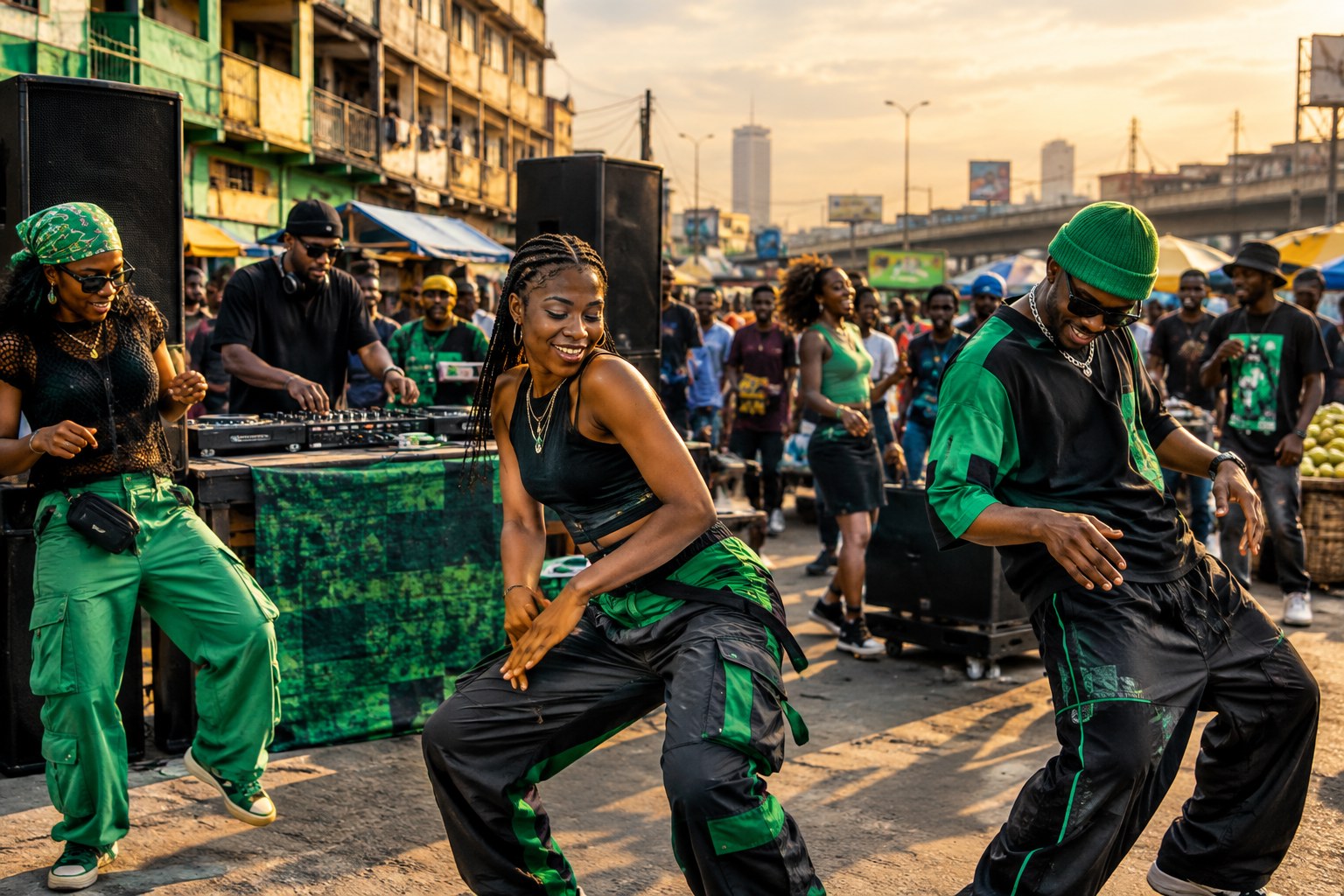
Some of Nigeria’s most recognisable musical trends did not begin in expensive recording studios or international entertainment centres.
They emerged from neighbourhood gatherings, local performances, community celebrations, dance spaces and the everyday experiences of young Nigerians.
From the Galala movement associated with Lagos’ Ajegunle community to the rise of street-hop, Shaku Shaku, Zanku and contemporary street-pop, music from Nigerian communities has repeatedly influenced mainstream entertainment.
Its impact extends beyond sound.
Nigerian street music has helped shape popular dance movements, everyday expressions, fashion, music production and the ways young people communicate their identities.
Artists such as Daddy Showkey, Olamide, Small Doctor, Zlatan, Asake and Seyi Vibez represent different periods of that development.
But what exactly is Nigerian street music, where did its influence begin, and why does it remain important to contemporary popular culture?
What Is Nigerian Street Music?
Nigerian street music is a broad description of music strongly associated with grassroots communities, local cultural expression and everyday urban experiences.
It is not one strictly defined genre.
The term may refer to street-hop, street-pop and related musical approaches that combine elements of hip-hop, Fuji, highlife, dancehall, Afrobeats and other influences.
Street-oriented recordings often feature local languages, Nigerian Pidgin, familiar expressions, energetic rhythms and storytelling connected to ordinary life.
Some songs celebrate achievement, friendship and community.
Others discuss economic difficulties, ambition, relationships, hardship or the desire for recognition.
However, neither a particular lyrical subject nor an artist’s financial background automatically determines whether music belongs to street culture.
Street music is better understood through its cultural connections, performance traditions and relationships with the communities that support it.
The Early Influence of Ajegunle and Galala
Any meaningful discussion of modern Nigerian street music should recognise Ajegunle, a community in Lagos with an important musical history.
During the 1990s, Ajegunle became particularly associated with Galala, an energetic style influenced by reggae, dancehall and local Nigerian musical expression.
Artists including Daddy Showkey and Baba Fryo helped introduce the sound to wider audiences.
Galala was closely connected to dance.
Its movements, rhythms and performance culture became familiar at parties and entertainment gatherings beyond Ajegunle.
The development of Galala demonstrated that neighbourhood-based musical creativity could influence entertainment across Nigeria.
Later sounds associated with Ajegunle, including Konto, continued this relationship between popular music and dance.
Ajegunle was not the only centre of Nigerian street creativity, but its contribution remains an important part of the history.
How Street-Hop Became a Mainstream Sound
During the 2000s and 2010s, Nigerian street music continued to evolve.
Artists increasingly combined local expressions and dance-oriented rhythms with hip-hop, electronic production and contemporary Nigerian pop.
The resulting approaches were often described as street-hop or street-pop.
Musicians such as Terry G helped popularise energetic sounds that drew from street performance, percussion and contemporary production.
Olamide later became one of the most influential figures in bringing Yoruba-language street expression into mainstream Nigerian hip-hop and pop.
His recordings combined local slang, familiar cultural references, memorable hooks and musical experimentation.
Songs including Eni Duro, Shakiti Bobo and Wo!! illustrate different stages of his development.
Olamide also became important as a record-label executive, helping create opportunities for other performers through YBNL.
His influence demonstrates how an artist can connect grassroots musical culture with wider commercial audiences.
Why Nigerian Street Music Influences Everyday Language
Language is one of the most distinctive elements of Nigerian street music.
Artists frequently combine English, Nigerian Pidgin, Yoruba and other languages to communicate with their audiences.
They use humour, metaphors, repetition and expressions drawn from everyday conversation.
A memorable phrase introduced or popularised through a song may later appear in social-media captions, everyday conversations, comedy videos and entertainment commentary.
This relationship works in both directions.
Musicians also borrow expressions that already exist within communities and help introduce them to wider audiences.
Street-pop therefore operates as a channel through which language and popular culture interact.
However, it would be inaccurate to credit musicians with inventing every expression they use.
In many cases, artists amplify existing community language rather than creating it themselves.
Dance: One of Street Music’s Strongest Cultural Contributions
Dance has been central to Nigerian street music for decades.
Galala, Shoki, Shaku Shaku and Zanku are examples of dance movements associated with different periods of Nigerian popular culture.
These movements often develop through interactions among dancers, musicians, neighbourhood communities and entertainment venues.
Music videos and social platforms can then introduce them to larger audiences.
A dance may become so closely associated with a particular recording that listeners recognise the movement immediately when the song begins.
For performers, this relationship can make songs memorable and encourage participation.
For audiences, dancing transforms music listening into a shared cultural experience.
Importantly, many dances have origins and contributors beyond the musician most closely associated with their popularity.
Recognising community dancers and choreographers is therefore part of documenting Nigerian music culture responsibly.
Shaku Shaku and Zanku: The Power of Dance Movements
The late 2010s brought another significant period of street-pop visibility.
Shaku Shaku became one of the most recognisable dance trends of that era, supported by performers and dancers associated with Lagos street culture.
Olamide’s Wo!! became closely connected to the movement’s wider popularity.
Artists including Small Doctor, Mr Real, Slimcase and Idowest contributed recordings associated with the period.
Zlatan subsequently helped popularise Zanku, a dance style associated with energetic legwork.
These developments showed how music and dance could reinforce one another.
Songs encouraged new movements, while dance performances created additional interest in the recordings.
The relationship became especially visible as social media expanded opportunities for people to publish their own performances.
Rather than depending exclusively on radio exposure, artists could benefit from listeners actively participating in the culture surrounding their music.
Street Music’s Influence on Fashion and Visual Identity
Nigerian street culture also influences how musicians present themselves visually.
Fashion, hairstyles, footwear, accessories and photography can communicate an artist’s cultural identity before the music begins.
Streetwear is especially visible in music videos, concerts and promotional photographs.
Artists may combine internationally recognised fashion styles with references to local neighbourhoods and Nigerian traditions.
However, street fashion is not a uniform style.
Different artists and communities express their identities in different ways.
The broader significance is that musical culture influences visual expression, while fashion can help audiences identify with performers.
These connections contribute to the continuing relationship between music and popular culture.
How Street Music Shapes Afrobeats
Contemporary Afrobeats draws from numerous Nigerian and West African musical traditions.
Street-pop is one of the influences that can be heard within parts of the movement.
Local percussion, Yoruba vocal expressions, Fuji-inspired melodies and dance-oriented rhythms have contributed to different approaches to Nigerian popular music.
Some producers combine these elements with electronic arrangements and international influences.
The result can appeal to both grassroots audiences and listeners who discover Nigerian music through wider Afrobeats playlists.
However, street music and Afrobeats should not be treated as interchangeable categories.
Street-pop has its own cultural history, while Afrobeats serves as a broader umbrella for contemporary West African popular music.
Their relationship is one of exchange and overlap rather than complete equivalence.
A New Generation: Asake, Seyi Vibez and Other Artists
Contemporary Nigerian street-pop continues to evolve through artists whose recordings incorporate local musical traditions and modern production.
Asake has developed a distinctive approach involving Yoruba-language expression, layered vocals and influences from Fuji, Amapiano and contemporary Afrobeats.
Seyi Vibez has also developed a recognised musical identity incorporating street-oriented storytelling, Yoruba influences and contemporary production.
Other performers, including Zinoleesky and Shallipopi, have contributed their own approaches to the wider landscape of street-influenced Nigerian popular music.
These artists do not all belong to one uniform musical category.
Their differing sounds demonstrate how street-associated music continues to develop through experimentation rather than remaining tied to a single rhythm.
The movement’s influence is therefore not simply a matter of repeating older formulas.
It also involves adapting local musical ideas to new creative contexts.
Social Media and the Changing Meaning of Street Popularity
Digital platforms have changed how street-oriented musicians reach audiences.
A song performed at local gatherings can attract attention through dance clips, comedy videos, short-form content and recommendations.
Listeners can participate in promoting music by creating their own videos or sharing memorable moments.
These activities may help unfamiliar performers find audiences beyond their immediate communities.
But online visibility is not the same as lasting artistic success.
A viral phrase or dance can generate temporary attention without necessarily building a sustainable music career.
Artists still need strong recordings, consistent creative development, audience relationships and effective distribution.
For independent musicians, the most useful lesson is that community participation can complement professional promotion.
Neither should replace the other entirely.
Why Street Music Matters Beyond Entertainment
Nigerian street music is also a form of cultural expression.
It can document experiences that receive limited attention in mainstream storytelling.
Lyrics may address unemployment, ambition, family responsibilities, inequality, social mobility and community relationships.
Such music can create a sense of recognition among listeners who identify with those experiences.
At the same time, street-oriented music can contain controversial messages.
Artists, audiences and critics may disagree about whether particular lyrics celebrate harmful conduct or simply describe social realities.
These debates deserve careful consideration.
Street music should neither be dismissed as inherently irresponsible nor celebrated without criticism.
Its cultural significance comes partly from the conversations it creates about identity, aspiration, values and society.
What Independent Artists Can Learn from Street Music
The history of Nigerian street music offers several useful lessons for emerging musicians.
First, audiences often connect with recordings that express identifiable experiences.
An artist does not necessarily need to imitate international trends to create meaningful music.
Second, language and cultural identity can become artistic strengths.
Songs that communicate authentic experiences may resonate with listeners even when the music incorporates unfamiliar vocabulary.
Third, communities matter.
Street music has frequently developed through relationships among musicians, dancers, DJs, producers and local audiences.
Finally, artistic independence requires practical knowledge.
Music rights, proper credits, accurate metadata, distribution and royalties remain important regardless of genre.
Building a community around music can be valuable, but sustainable careers require more than popularity alone.
The Future of Nigerian Street Music
Nigerian street music will continue changing as musicians experiment with new influences.
Some performers may incorporate Amapiano, electronic music or alternative pop, while others may draw more heavily from Fuji, Apala, highlife or local percussion.
New dance movements, phrases and performance styles will emerge as cultural communities develop their own creative expressions.
The central lesson of Nigerian street music is that musical innovation does not belong exclusively to established studios or major record labels.
Important ideas can emerge wherever people create, perform and share music.
From Ajegunle’s Galala movement to contemporary street-pop, Nigerian communities have repeatedly helped shape sounds that reach far beyond their places of origin.
Their contributions deserve recognition as an essential part of Nigerian popular music history.
Discover Nigerian Music on Naijacraft
Nigerian music is shaped by a wide range of creative traditions, from highlife and Afrobeat to street-hop, contemporary Afrobeats and independent alternative sounds.
At Naijacraft, we believe music discovery should recognise both established performers and emerging artists developing their own musical identities.
Explore Nigerian music, discover independent creators and learn more about the cultural stories behind the sounds.
For more historical context, read The Evolution of Nigerian Music: From Highlife and Afrobeat to Afrobeats.
Visit Naijacraft.com and continue discovering African music.
Frequently Asked Questions
What is Nigerian street-pop?
Street-pop is a broad description of contemporary Nigerian popular music strongly influenced by grassroots communities, local languages, street-hop, dance culture and everyday experiences.
Who pioneered Nigerian street music?
Nigerian street music has several histories. Daddy Showkey, Baba Fryo and other Ajegunle performers were important to Galala, while later artists including Olamide helped develop contemporary street-hop and street-pop.
Is street-pop the same as Afrobeats?
No. Street-pop has specific cultural associations and musical influences. Afrobeats is a broader term covering several contemporary West African popular music styles.
How did Olamide influence Nigerian street music?
Olamide helped bring Yoruba-language street expressions and street-oriented hip-hop into wider Nigerian popular culture. His work through YBNL also supported other performers.
Why are dance trends important to Nigerian street music?
Dance encourages audience participation and can help recordings travel through performances, music videos and social sharing. Dancers and local communities contribute substantially to these movements.


Listen to related music
Asake
Olamide
Seyi vibez
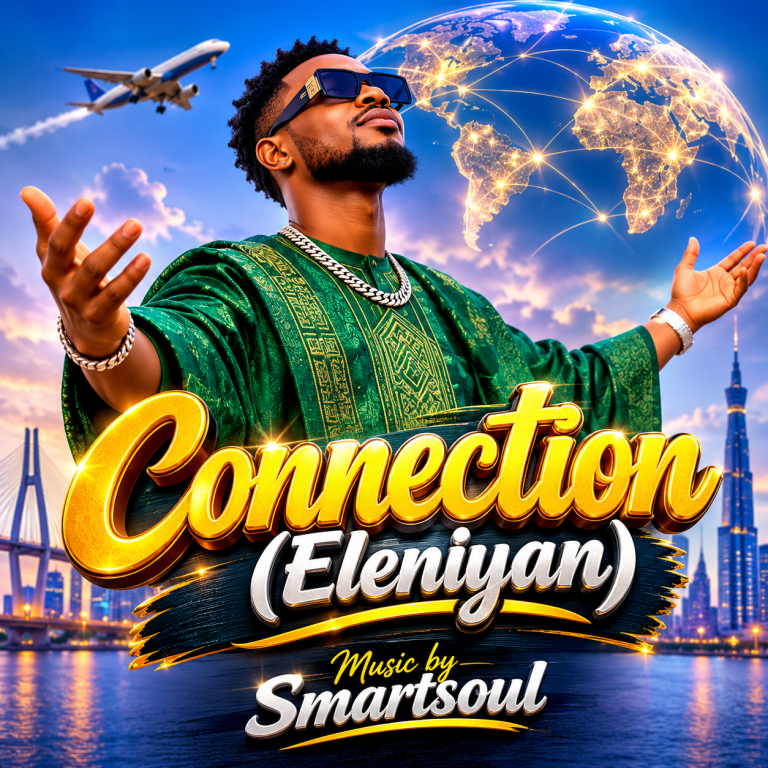
Smartsoul – Connection
Ogba Dj Musty – Road To 2027

Asake – olamide